
Four verified gallery examples
The supplied results reference contains four named customer examples: Derick, Jane Anderson, Christine and Patricia. Each example below has a dedicated section and retains the published age, shade result, staining context and treatment description. The supporting photographs illustrate professional shade assessment and consistent Teeth Whitening documentation; they are not presented as identifiable photographs of the named examples.
Individual examples demonstrate what happened in those cases. They do not guarantee the same shade movement, comfort or duration for another person.
How to read a Teeth Whitening gallery responsibly
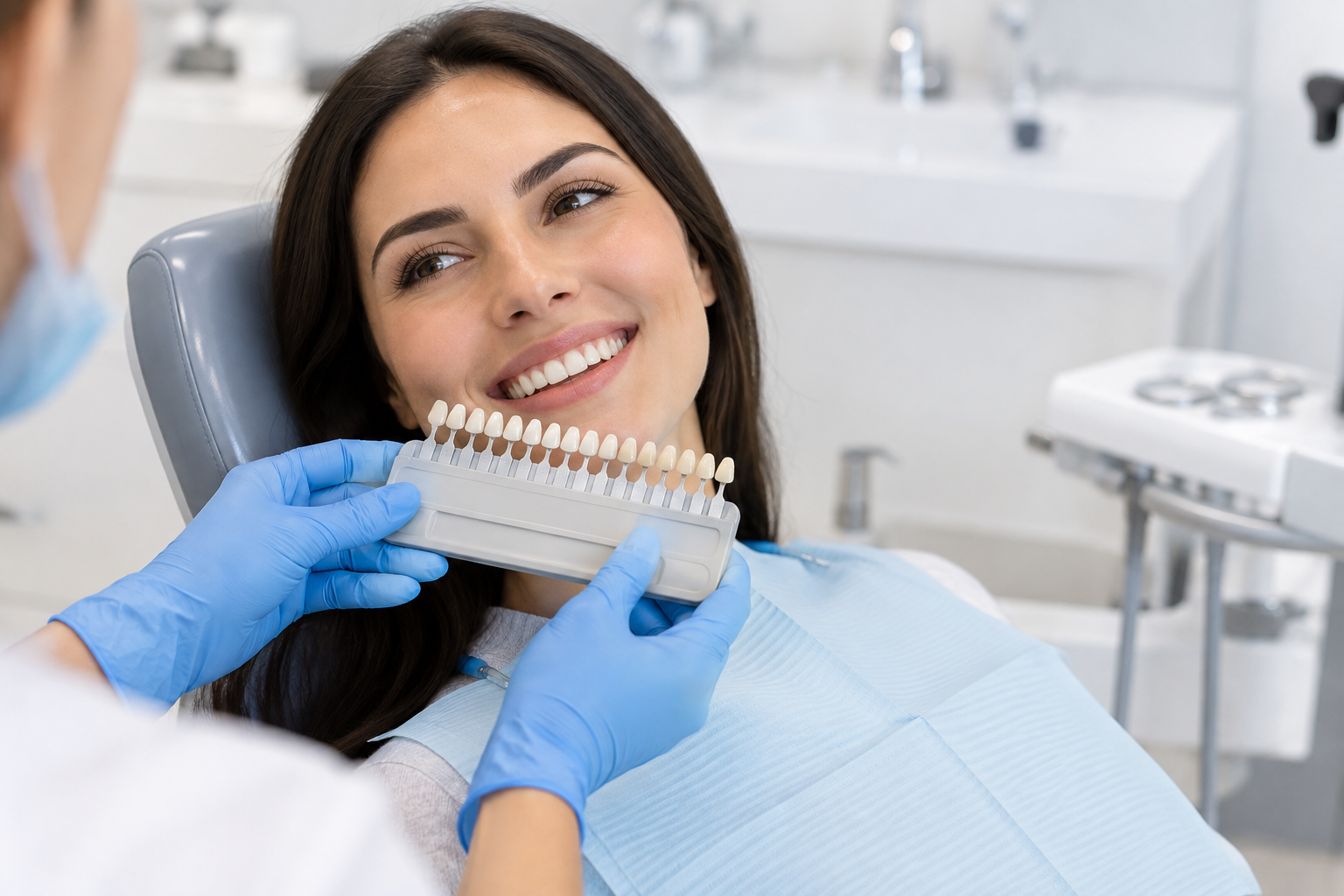
A results gallery can show the range of visible improvements achieved by different people, but it should be read as evidence of variation rather than a promise that every smile will change by the same number of shades.
Starting colour, stain type, enamel characteristics, age, lighting, camera exposure and aftercare all influence what is seen. Consistent photography and shade recording make comparisons more meaningful. This distinction matters because good decisions begin with an accurate understanding of what whitening can address, what needs separate dental attention, and what should be discussed before any cosmetic session is considered.
The most useful question is not whether another person achieved a dramatic result, but whether the presentation explains their starting point, treatment context and relevant limitations. A careful approach also makes room for questions, individual comfort, existing restorations and the everyday habits that influence colour. It keeps the conversation focused on a result that is proportionate, natural-looking and supported by sensible oral care.
Realistic interpretation supports confidence without turning another person’s outcome into a guarantee. Rather than treating one appointment as the whole story, it is more useful to see this as part of ongoing smile care. Preparation, realistic expectations, immediate aftercare and long-term maintenance all contribute to how comfortable the experience feels and how well the visible improvement is preserved.
Derick, age 75 — a nine-shade result

The reference gallery records Derick, age 75, with a result described as nine shades lighter after a one-hour laser session and a home maintenance whitening kit.
The listed staining factors were tobacco, coffee, red wine and general food staining. Those details matter because they describe a long-standing mixture of lifestyle-related colour influences rather than a universal starting condition. This distinction matters because good decisions begin with an accurate understanding of what whitening can address, what needs separate dental attention, and what should be discussed before any cosmetic session is considered.
The case also illustrates how age and enamel changes can shape expectations. A numerical shade difference should be understood alongside the visible teeth treated, the recording method and the maintenance plan. A careful approach also makes room for questions, individual comfort, existing restorations and the everyday habits that influence colour. It keeps the conversation focused on a result that is proportionate, natural-looking and supported by sensible oral care.
This example is presented as an individual result, not as a prediction for another person. Rather than treating one appointment as the whole story, it is more useful to see this as part of ongoing smile care. Preparation, realistic expectations, immediate aftercare and long-term maintenance all contribute to how comfortable the experience feels and how well the visible improvement is preserved.
Jane Anderson, age 28 — a seven-shade result
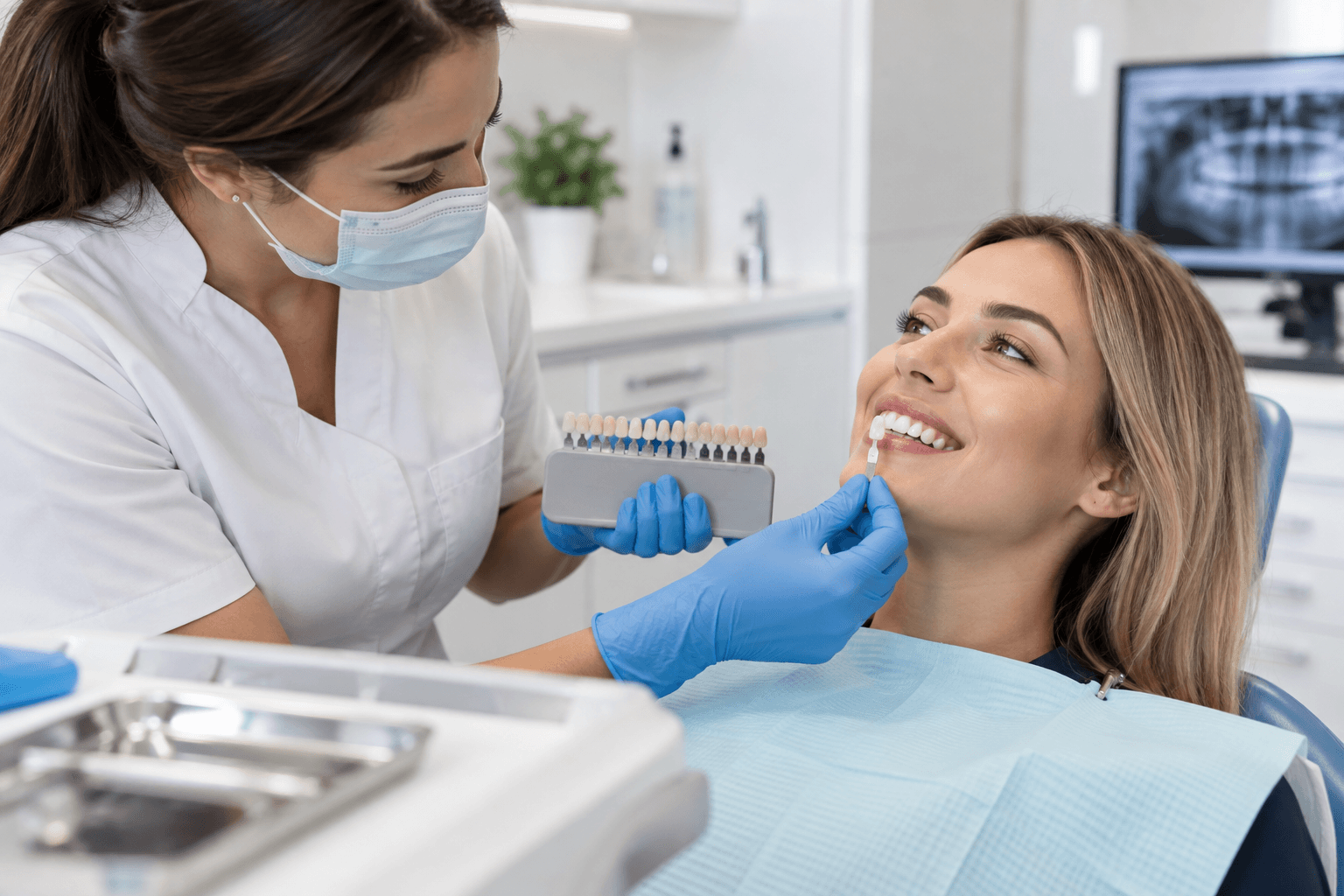
The reference gallery describes Jane Anderson, age 28, with a result of seven shades lighter following a one-hour power laser treatment.
Her listed staining factors were smoking, coffee and general lifestyle staining. The combination shows why a starting shade is rarely explained by one habit alone and why maintenance has to address the person’s broader routine. For people concerned specifically about tobacco-related discolouration, information about Smokers Whitening Treatment Nottingham can provide further context on whitening considerations where smoking has contributed to visible staining. This distinction matters because good decisions begin with an accurate understanding of what whitening can address, what needs separate dental attention, and what should be discussed before any cosmetic session is considered.
A gallery entry cannot show how quickly stain may return or how the teeth felt afterwards, so those subjects still need to be discussed separately during a suitability and aftercare conversation. A careful approach also makes room for questions, individual comfort, existing restorations and the everyday habits that influence colour. It keeps the conversation focused on a result that is proportionate, natural-looking and supported by sensible oral care.
The value of the example lies in showing one documented response, not establishing an expected minimum. Rather than treating one appointment as the whole story, it is more useful to see this as part of ongoing smile care. Preparation, realistic expectations, immediate aftercare and long-term maintenance all contribute to how comfortable the experience feels and how well the visible improvement is preserved.
Christine, age 20 — a six-shade result
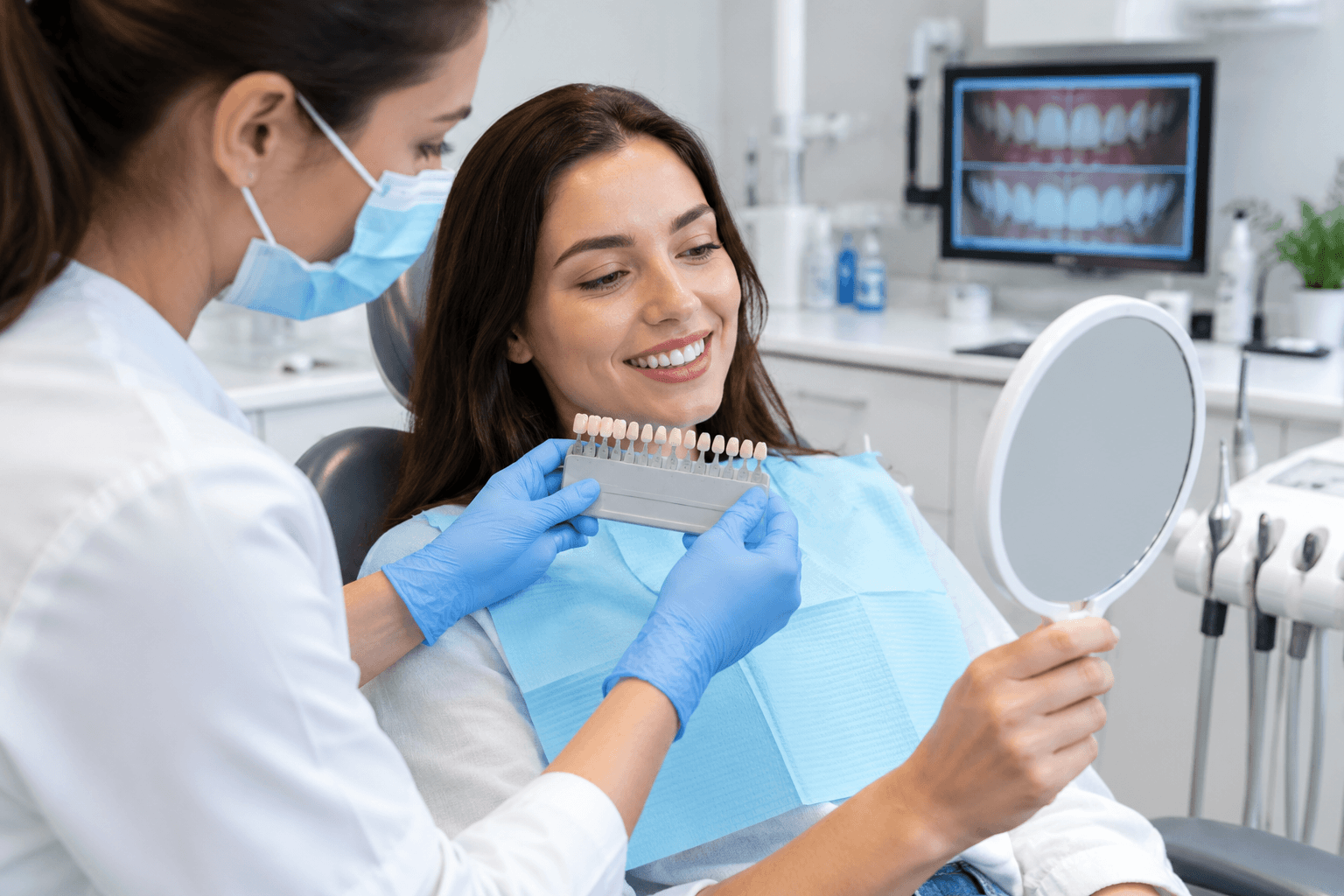
Christine’s reference entry records a six-shade improvement after a one-hour power laser treatment, with general staining identified as the relevant colour concern.
The gallery notes diffused yellowing around the canines and front incisors and describes a brighter, more balanced appearance after treatment. This highlights that evenness across the visible smile may matter as much as the final shade number. This distinction matters because good decisions begin with an accurate understanding of what whitening can address, what needs separate dental attention, and what should be discussed before any cosmetic session is considered.
Canines naturally appear deeper in colour for many people, so a responsible interpretation avoids expecting every tooth to become identical. A careful approach also makes room for questions, individual comfort, existing restorations and the everyday habits that influence colour. It keeps the conversation focused on a result that is proportionate, natural-looking and supported by sensible oral care.
A natural-looking result respects individual anatomy while aiming for a cleaner and more harmonious visible shade. Rather than treating one appointment as the whole story, it is more useful to see this as part of ongoing smile care. Preparation, realistic expectations, immediate aftercare and long-term maintenance all contribute to how comfortable the experience feels and how well the visible improvement is preserved.
Patricia, age 32 — an eight-shade result
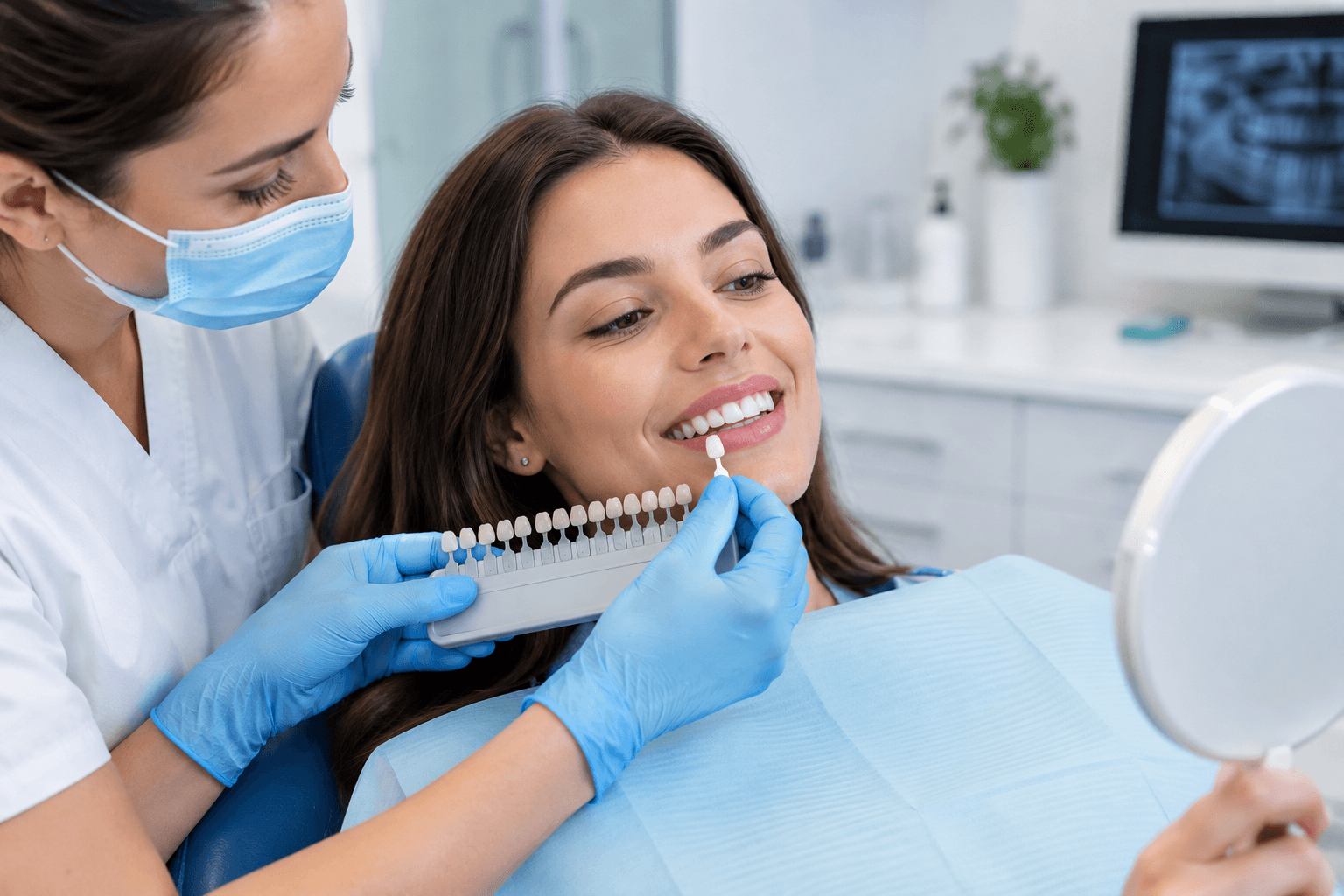
The reference gallery lists Patricia, age 32, with a result of eight shades lighter after a one-hour power laser treatment for general lifestyle staining.
The published commentary describes a very bright final shade. That is one person’s recorded outcome and should not become a standard against which every result is judged. This distinction matters because good decisions begin with an accurate understanding of what whitening can address, what needs separate dental attention, and what should be discussed before any cosmetic session is considered.
People begin with different enamel, dentine colour, stain distribution and restoration patterns. An outcome can still be successful when the change is softer than another case. A careful approach also makes room for questions, individual comfort, existing restorations and the everyday habits that influence colour. It keeps the conversation focused on a result that is proportionate, natural-looking and supported by sensible oral care.
The purpose of expectation setting is to recognise meaningful improvement without turning the lightest gallery example into the only acceptable result. Rather than treating one appointment as the whole story, it is more useful to see this as part of ongoing smile care. Preparation, realistic expectations, immediate aftercare and long-term maintenance all contribute to how comfortable the experience feels and how well the visible improvement is preserved.
Why shade numbers need context
Shade guides provide a practical way to compare colour before and after treatment, but a number is only one part of the result. Shade systems, lighting conditions and recording technique influence consistency.
A multi-shade movement can appear significant, while a smaller movement may still create a fresher overall smile because the colour becomes more even or surface staining is reduced. This distinction matters because good decisions begin with an accurate understanding of what whitening can address, what needs separate dental attention, and what should be discussed before any cosmetic session is considered.
Before-and-after records should be made under similar conditions and should avoid filters or editing that exaggerate contrast. A careful approach also makes room for questions, individual comfort, existing restorations and the everyday habits that influence colour. It keeps the conversation focused on a result that is proportionate, natural-looking and supported by sensible oral care.
When the method is transparent, shade information can support an honest discussion instead of functioning as a promotional guarantee. Rather than treating one appointment as the whole story, it is more useful to see this as part of ongoing smile care. Preparation, realistic expectations, immediate aftercare and long-term maintenance all contribute to how comfortable the experience feels and how well the visible improvement is preserved.
The visible smile and treatment area
The reference gallery notes that laser treatment focuses on the front upper and lower teeth visible in the smile, often described as approximately eighteen to twenty teeth.
The exact number varies with mouth shape, tooth position and how broadly someone smiles. Teeth further back may not be included or may not be visible enough to influence the everyday appearance. This distinction matters because good decisions begin with an accurate understanding of what whitening can address, what needs separate dental attention, and what should be discussed before any cosmetic session is considered.
This should be explained before treatment so the person understands which teeth are being considered and does not assume that every tooth in the mouth will be treated identically. A careful approach also makes room for questions, individual comfort, existing restorations and the everyday habits that influence colour. It keeps the conversation focused on a result that is proportionate, natural-looking and supported by sensible oral care.
Planning around the visible smile helps align the practical treatment area with the cosmetic goal. Rather than treating one appointment as the whole story, it is more useful to see this as part of ongoing smile care. Preparation, realistic expectations, immediate aftercare and long-term maintenance all contribute to how comfortable the experience feels and how well the visible improvement is preserved.
Photographic consistency and honest comparison
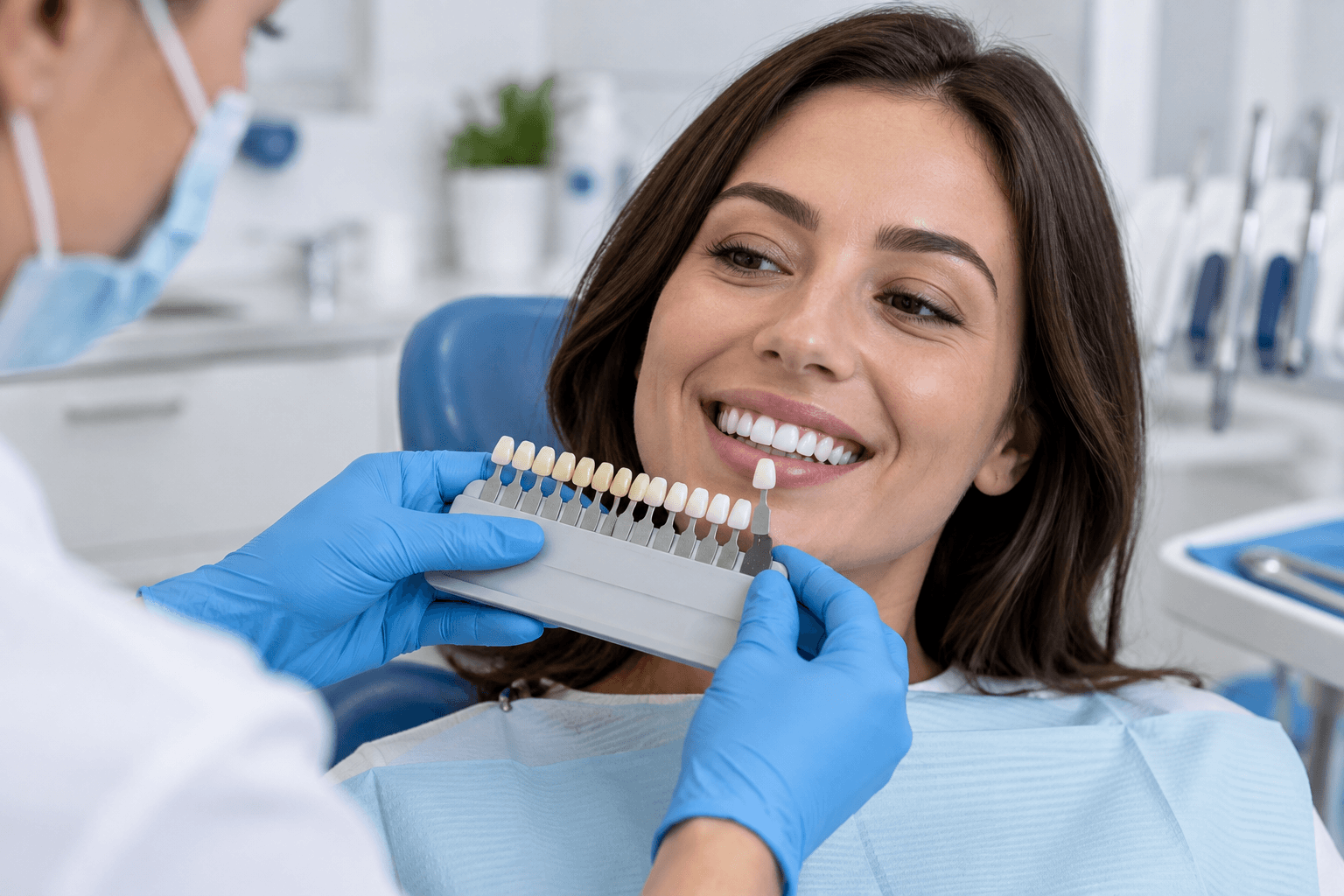
A useful comparison keeps lighting, camera angle, distance, expression and white balance as consistent as possible. Even small changes can make teeth look warmer, cooler, brighter or darker.
Lip colour, surrounding skin tone and screen settings can also affect perception. Photographs are therefore helpful records, but they should be paired with an in-person shade assessment where appropriate. This distinction matters because good decisions begin with an accurate understanding of what whitening can address, what needs separate dental attention, and what should be discussed before any cosmetic session is considered.
Labels should clearly identify which image is before and which is after, and editing should never alter the tooth colour. A careful approach also makes room for questions, individual comfort, existing restorations and the everyday habits that influence colour. It keeps the conversation focused on a result that is proportionate, natural-looking and supported by sensible oral care.
Honest presentation protects trust and makes the gallery an educational aid rather than a misleading promise. Rather than treating one appointment as the whole story, it is more useful to see this as part of ongoing smile care. Preparation, realistic expectations, immediate aftercare and long-term maintenance all contribute to how comfortable the experience feels and how well the visible improvement is preserved.
What influences the degree of improvement
Surface stain from tea, coffee, tobacco and pigmented foods may respond differently from colour arising within the tooth or from natural dentine showing through thinner enamel.
Existing restorations do not necessarily change shade with natural teeth, and a single discoloured tooth may need a different assessment. Starting shade, product choice and individual biology also influence response. This distinction matters because good decisions begin with an accurate understanding of what whitening can address, what needs separate dental attention, and what should be discussed before any cosmetic session is considered.
A professional should consider these factors before discussing a likely range, while avoiding language that guarantees an exact number of shades. A careful approach also makes room for questions, individual comfort, existing restorations and the everyday habits that influence colour. It keeps the conversation focused on a result that is proportionate, natural-looking and supported by sensible oral care.
The fairest expectation is a personalised estimate combined with acceptance that the final response cannot be known with certainty in advance. Rather than treating one appointment as the whole story, it is more useful to see this as part of ongoing smile care. Preparation, realistic expectations, immediate aftercare and long-term maintenance all contribute to how comfortable the experience feels and how well the visible improvement is preserved.
Immediate appearance versus settled appearance
Teeth can look especially bright immediately after a session, partly because the mouth and tooth surfaces have been kept dry during treatment. The appearance may settle as normal hydration returns.
This does not mean the result has disappeared; it means the most reliable judgement may be made after the initial period rather than in the first mirror view alone. This distinction matters because good decisions begin with an accurate understanding of what whitening can address, what needs separate dental attention, and what should be discussed before any cosmetic session is considered.
Consistent photographs and shade records taken at appropriate times can help distinguish the treatment change from short-term visual effects. A careful approach also makes room for questions, individual comfort, existing restorations and the everyday habits that influence colour. It keeps the conversation focused on a result that is proportionate, natural-looking and supported by sensible oral care.
Knowing that appearance can settle prevents unnecessary worry and supports a more balanced evaluation. Rather than treating one appointment as the whole story, it is more useful to see this as part of ongoing smile care. Preparation, realistic expectations, immediate aftercare and long-term maintenance all contribute to how comfortable the experience feels and how well the visible improvement is preserved.
Aftercare that supports a visible result
The period immediately after Teeth Whitening is a time to follow the specific advice provided. Strongly coloured foods and drinks may be limited for a short period, and very hot or cold choices may be uncomfortable if sensitivity occurs. People who already experience sensitivity may also find it useful to understand the considerations around Treatment For Sensitive Teeth Nottingham before deciding whether whitening is appropriate for them.
Water, gentle oral hygiene and a soft-bristled brush support comfort. Longer term, regular cleaning and awareness of frequent staining exposures help slow the return of surface colour. This distinction matters because good decisions begin with an accurate understanding of what whitening can address, what needs separate dental attention, and what should be discussed before any cosmetic session is considered.
Aftercare should be practical rather than punitive. A person is more likely to maintain habits that fit normal meals, work and social life. A careful approach also makes room for questions, individual comfort, existing restorations and the everyday habits that influence colour. It keeps the conversation focused on a result that is proportionate, natural-looking and supported by sensible oral care.
The result is supported by consistency, not by a brief burst of perfect behaviour followed by neglect. Rather than treating one appointment as the whole story, it is more useful to see this as part of ongoing smile care. Preparation, realistic expectations, immediate aftercare and long-term maintenance all contribute to how comfortable the experience feels and how well the visible improvement is preserved.
When a result is naturally uneven
Natural teeth are not identical blocks of colour. Canines may be deeper, incisal edges may appear more translucent and areas near the gumline may respond differently from the central enamel.
Previous restorations, enamel wear and stain distribution can add further variation. Whitening may improve the overall appearance without making every area exactly uniform. This distinction matters because good decisions begin with an accurate understanding of what whitening can address, what needs separate dental attention, and what should be discussed before any cosmetic session is considered.
If an uneven patch, isolated dark tooth or unexpected change is present, it should be assessed rather than repeatedly treated without explanation. A careful approach also makes room for questions, individual comfort, existing restorations and the everyday habits that influence colour. It keeps the conversation focused on a result that is proportionate, natural-looking and supported by sensible oral care.
A believable result usually preserves some natural variation while making the smile look cleaner and brighter overall. Rather than treating one appointment as the whole story, it is more useful to see this as part of ongoing smile care. Preparation, realistic expectations, immediate aftercare and long-term maintenance all contribute to how comfortable the experience feels and how well the visible improvement is preserved.
Confidence without exaggerated promises
Many people value the confidence that comes with feeling less aware of staining in conversation or photographs, but emotional benefits should not be sold as guaranteed life changes.
A cosmetic improvement may help someone feel more comfortable smiling, while confidence still depends on many personal and social factors beyond tooth colour. This distinction matters because good decisions begin with an accurate understanding of what whitening can address, what needs separate dental attention, and what should be discussed before any cosmetic session is considered.
Responsible content describes the likely cosmetic purpose, the individual nature of results and the need for oral-health assessment. A careful approach also makes room for questions, individual comfort, existing restorations and the everyday habits that influence colour. It keeps the conversation focused on a result that is proportionate, natural-looking and supported by sensible oral care.
That balance allows the gallery to inspire informed questions while respecting the limits of what any treatment can promise. Rather than treating one appointment as the whole story, it is more useful to see this as part of ongoing smile care. Preparation, realistic expectations, immediate aftercare and long-term maintenance all contribute to how comfortable the experience feels and how well the visible improvement is preserved.
How lifestyle affects result duration
The visible improvement is not permanent because teeth continue to be exposed to food, drinks, tobacco, plaque and natural ageing after the session.
Frequent tea, coffee, red wine and strongly pigmented choices can allow surface stain to build again, while smoking has both staining and wider oral-health consequences. This distinction matters because good decisions begin with an accurate understanding of what whitening can address, what needs separate dental attention, and what should be discussed before any cosmetic session is considered.
Water after dark drinks, effective daily cleaning and sensible professional care can support the result without requiring an unrealistic colour-free diet. A careful approach also makes room for questions, individual comfort, existing restorations and the everyday habits that influence colour. It keeps the conversation focused on a result that is proportionate, natural-looking and supported by sensible oral care.
Duration is best discussed as an individual range shaped by habits rather than a fixed number of months or years. Rather than treating one appointment as the whole story, it is more useful to see this as part of ongoing smile care. Preparation, realistic expectations, immediate aftercare and long-term maintenance all contribute to how comfortable the experience feels and how well the visible improvement is preserved.
Deciding whether a result meets the goal
A satisfactory result should be judged against the person’s starting shade and agreed aim, not against edited advertising, another customer or an artificial paper-white standard.
Improved brightness, reduced visible staining and a more even appearance may together create a meaningful change even when the shade number is modest. This distinction matters because good decisions begin with an accurate understanding of what whitening can address, what needs separate dental attention, and what should be discussed before any cosmetic session is considered.
The settled appearance should be given time before decisions about further whitening or restorative colour matching are made. A careful approach also makes room for questions, individual comfort, existing restorations and the everyday habits that influence colour. It keeps the conversation focused on a result that is proportionate, natural-looking and supported by sensible oral care.
This patient evaluation protects against unnecessary repeat treatment and keeps the goal focused on a natural smile. Rather than treating one appointment as the whole story, it is more useful to see this as part of ongoing smile care. Preparation, realistic expectations, immediate aftercare and long-term maintenance all contribute to how comfortable the experience feels and how well the visible improvement is preserved.
Using a result record over time
A result becomes more useful when it is documented consistently. The starting shade, lighting conditions, date, method used and immediate post-treatment shade should be recorded together. A later review in similar conditions can then separate a genuine colour change from differences caused by camera settings, room lighting, dehydration or memory.
The record should also note sensitivity, aftercare followed and any return of staining. This does not turn an individual outcome into a guarantee; it provides context for understanding how that person responded. If a future top-up is considered, the record helps avoid unnecessary repetition and supports a proportionate discussion about whether maintenance is needed.
Success is best judged against the goal agreed before treatment: a fresher, more even and natural-looking smile. Comparing the result with another person is less reliable because starting shades, enamel, restorations and staining patterns differ.